- Hotline: +86-755-28372909
- 24 Service Hotline: +86-18025312443
- E-mail: sales@c-starchina.com
- 中文


Public lighting procurement has changed. Ten years ago, most tender documents asked for the cheapest luminaire that met a wattage figure. Today, government buyers evaluating solar street lights score offers on ten-year operating cost, battery chemistry and verified test data — and a large share of bids are rejected at the technical review stage, long before anyone compares prices.
This article is written from a manufacturer's point of view. It lists the seven checks that municipal buyers and their consultants apply most often to a solar street light tender, and explains why each one matters on a real road rather than in a brochure.
For roads the grid never reached — rural routes, industrial access roads, park perimeters, island and mountain communities — solar street lights remove the two costliest items of a conventional installation: trenching and cabling. An all-in-one solar street light arrives as one complete unit, mounts on a pole in about an hour and works the same day. So the buyer's question is no longer whether solar works. It is which offer will still be working in year five — and which will not.
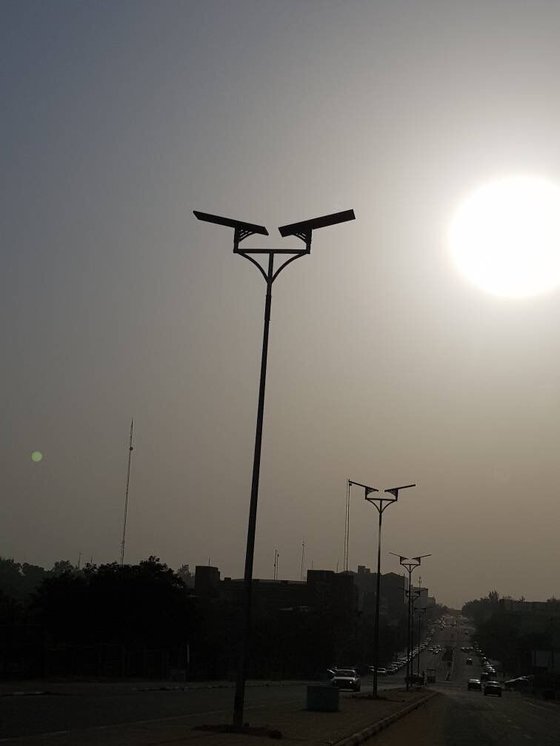
Field failures follow a pattern. Panel and housing look acceptable on delivery; the battery dies first, followed by gradual lumen depreciation nobody measures until residents complain. Replacing a failed street light is never just a lamp cost — it is a lift vehicle, traffic control and crew time. Evaluators who look only at unit price usually end up paying twice.
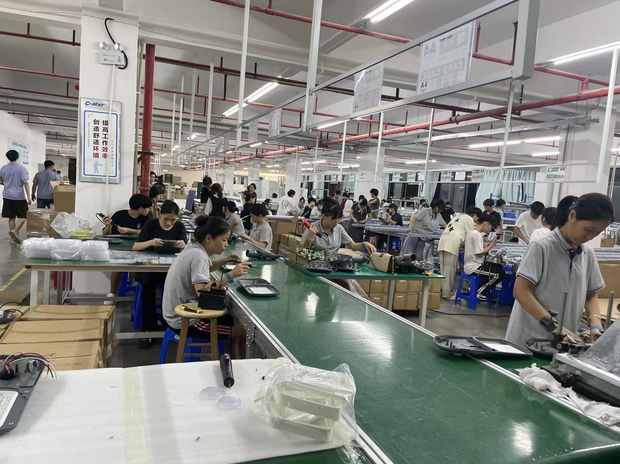
A supplier who wants government projects should be able to show the factory behind the quotation. Since 2012, C-Star has manufactured LED and solar lighting in a 5,000 ㎡ facility in Shenzhen with SMT lines, aging test rooms, salt spray chambers, IP rain-test rigs and battery cycle testers — and every unit is tested before packing. When a tender asks for reports, we issue them from our own equipment instead of forwarding a trading company's paperwork.
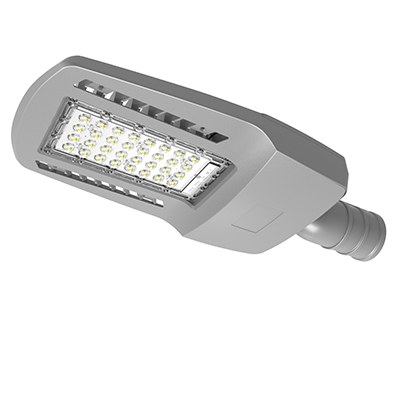
The hardware behind these specifications can be reviewed directly: the FT3 modular solar street light for 100–400 W trunk roads, and the full solar street lighting range with installed project references.
Preparing a municipal lighting tender? C-Star supplies specification sheets, photometric data and test reports for government procurement teams and contractors.
Browse the product range or send your project details — or email sales@c-starchina.com.